Caring for the elderly at home during cold weather: 5 common illnesses and effective prevention methods.
Monsoon winds, cold air, and fluctuating humidity are factors that can significantly harm the health of the elderly, especially during Tet (Lunar New Year). The bodies of older adults have to work harder to stay warm, leading to an increased risk of chronic and acute illnesses.
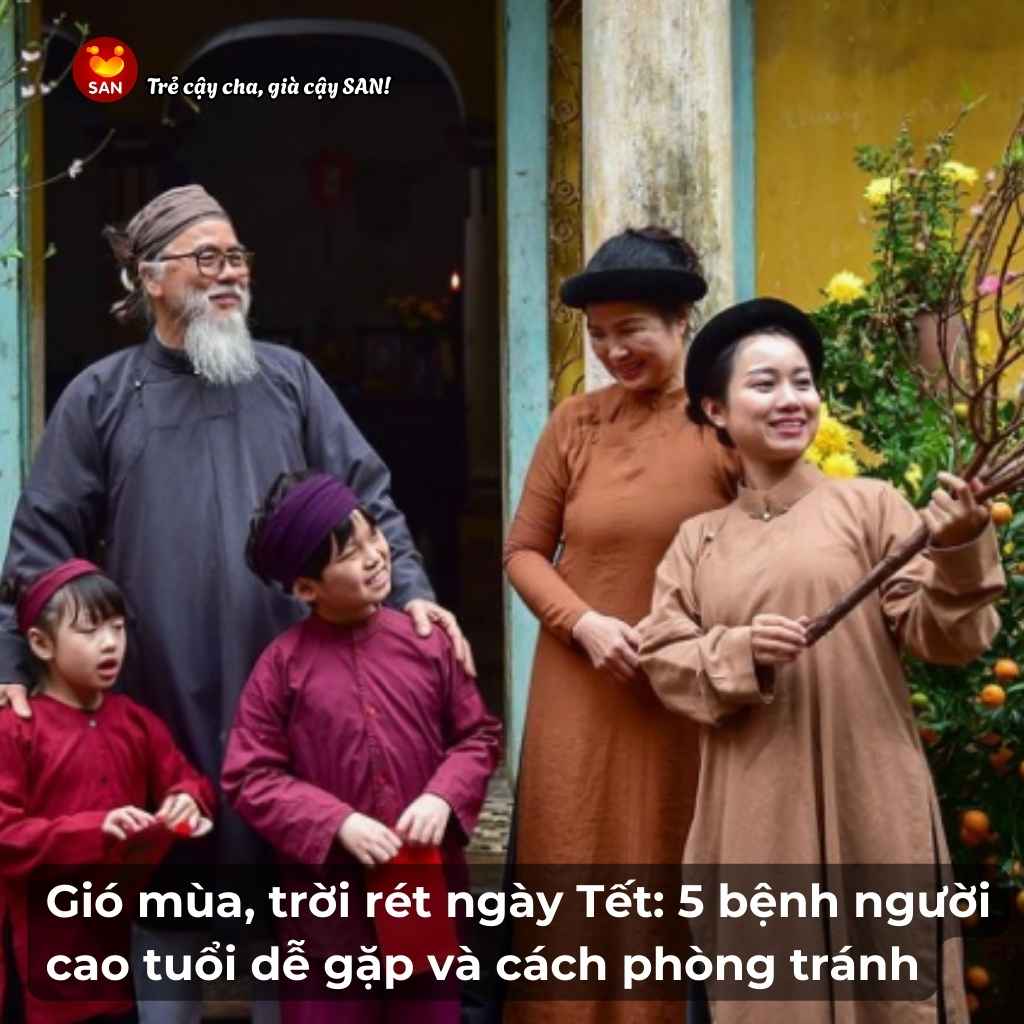
Job Elderly care Staying at home during the monsoon season and cold weather is extremely important to ensure a safe and healthy Lunar New Year for grandparents and parents.
1. Why are elderly people more vulnerable when the monsoon season arrives?
In old age, the body's ability to adapt to temperature changes is often weaker than in younger people. When it's cold, the bodies of elderly people react in the following ways:
- Blood vessels tend to constrict when exposed to cold, causing a sudden increase in blood pressure.
- A weakened immune system and reduced resistance make one more susceptible to pathogens (sore throat, pneumonia).
- The joints were already degenerated, and the cold and damp weather increased the pain and stiffness.
If it coincides with Tet (Lunar New Year), with irregular eating habits, late nights, and frequent travel, the risk of getting sick becomes even more serious.
2.5 Common illnesses in the elderly during cold weather
2.1. Colds, coughs, and respiratory illnesses
Cold air, drafts, or improper bathing and drinking habits can easily cause older adults to cough, have a runny nose, and a sore throat. In older adults, especially those with underlying health conditions, colds are not only persistent but can also easily worsen into bronchitis or pneumonia.
- Note: If a persistent cough, fever, chest pain, or difficulty breathing occurs, the patient should be taken to see a doctor immediately.
2.2. Hypertension and cardiovascular events
Cold weather causes peripheral blood vessels to constrict, requiring the heart to work harder to pump blood throughout the body. This is a dangerous time for people with a history of hypertension, cardiovascular disease, or a history of stroke.
- Dangerous signs: Severe headache, dizziness, difficulty speaking, facial drooping, or chest pain, shortness of breath, and sweating are signs that require immediate medical attention.
2.3. Joint pain and degeneration
For those suffering from osteoarthritis of the knee, spine, or arthritis, cold weather often causes joint stiffness, difficulty in movement, and increased pain, especially when getting out of bed or climbing stairs.
To minimize this condition, in addition to keeping the joints warm with towels and clothing, gentle physical therapy treatments such as Therapeutic massage Home remedies are also recommended to improve blood circulation and soothe pain.
2.4. Dyspnea, asthma, and COPD relapse
Cold, dry air, or the smoke and dust from incense during the Lunar New Year holidays can be strong triggers for people with a history of asthma or chronic obstructive pulmonary disease (COPD).
- Preventive measures: Wear a mask when going outside and avoid strong winds. Make sure your inhalers/sprays are always in a visible and easily accessible place.
2.5. Stress and Sleep Disorders
Although not a physical illness, the changing weather combined with the busy and noisy atmosphere of Tet (Lunar New Year) can easily make the elderly feel lonely or stressed, leading to insomnia, anxiety, and a decline in overall health and immunity.
3. The Golden Rules for Caring for the Elderly During Cold Weather
To help loved ones get through the cold season safely, families should follow these care guidelines:
3.1. Keep your body and living environment warm.
- Keep yourself warm properly: Wear several layers of thin clothing instead of one thick layer. Make sure to cover your neck, ears, hands, and feet.
- Avoid sudden temperature changes: Avoid going from a warm room into the cold wind immediately.
- Drinking water: Always have warm water or mildly warm tea ready, and remind people to drink enough water even in cold weather (avoid drinking too little because they are afraid to go to the bathroom).
3.2. Maintain a regular lifestyle and exercise routine.
Maintain your usual sleep schedule, medication times, and meal times, avoiding excessive disruption from New Year's greetings or lavish feasts.
Encourage elderly people to do gentle exercises at home (rotating joints, walking around the room) to prevent joint stiffness and improve blood circulation.
3.3. Home care for the elderly – Professional support when needed
With busy holiday schedules or if elderly family members have complex underlying health conditions, seeking professional support is essential. Families may consider support services such as Housemaid To lessen the burden of cleaning and preparing for Tet, and to have more time to take care of the health of loved ones.
The professional team will be trained to:
- Measure blood pressure and remind them to take their medication on time.
- Observe for any unusual signs (frequent coughing, shortness of breath, dizziness).
- Supports safe bathing and showering, reducing the risk of catching a cold.
- Psychological support and conversation to reduce stress for older adults..
If your family needs more in-depth support to ensure the absolute safety of loved ones during the cold season, explore our services. Caring for the sick or professional elderly care at home.