
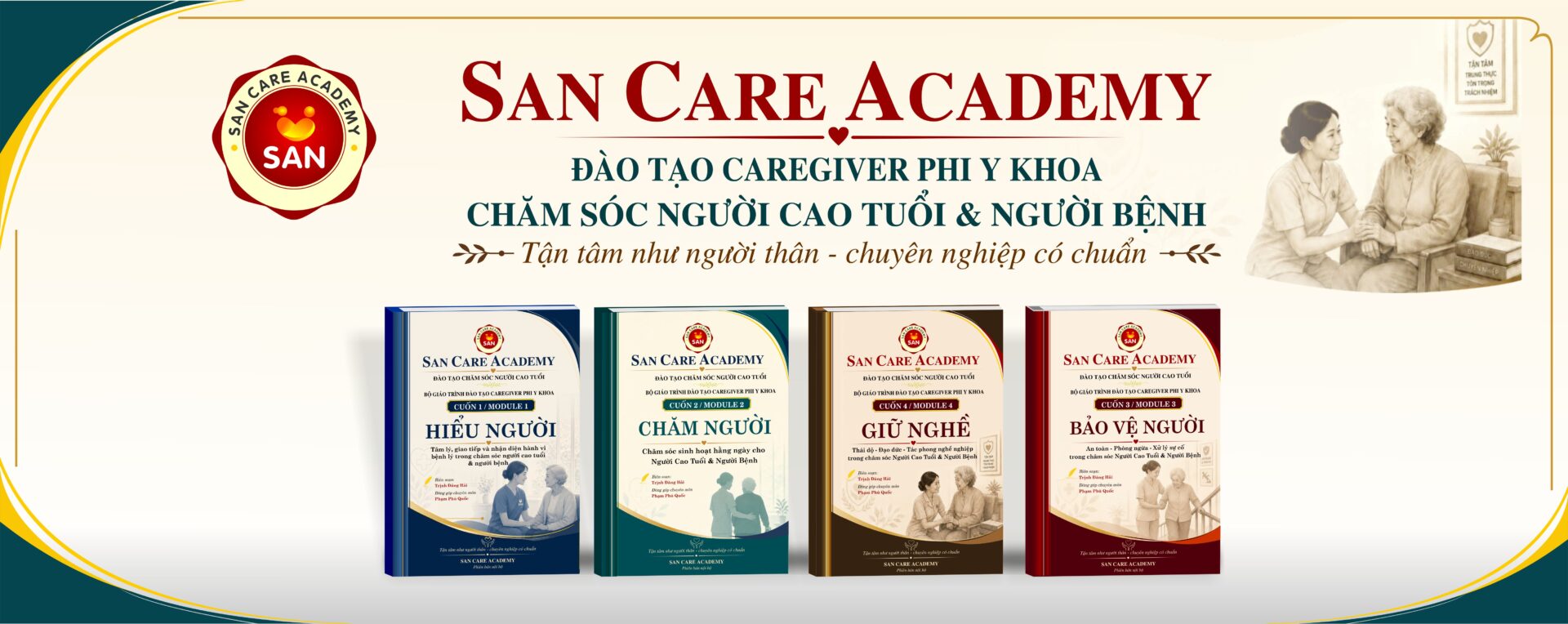
Training Academy Elderly and sick care
Training caregivers to be skilled, ethical, and capable of working practically in homes, hospitals, nursing homes, and the SAN care ecosystem.
SAN Care Academy is designed to train caregivers for the elderly and the sick in a practical, humane, and professionally standardized manner. The program combines foundational knowledge, practical skills training, internships, and professional attitude training.
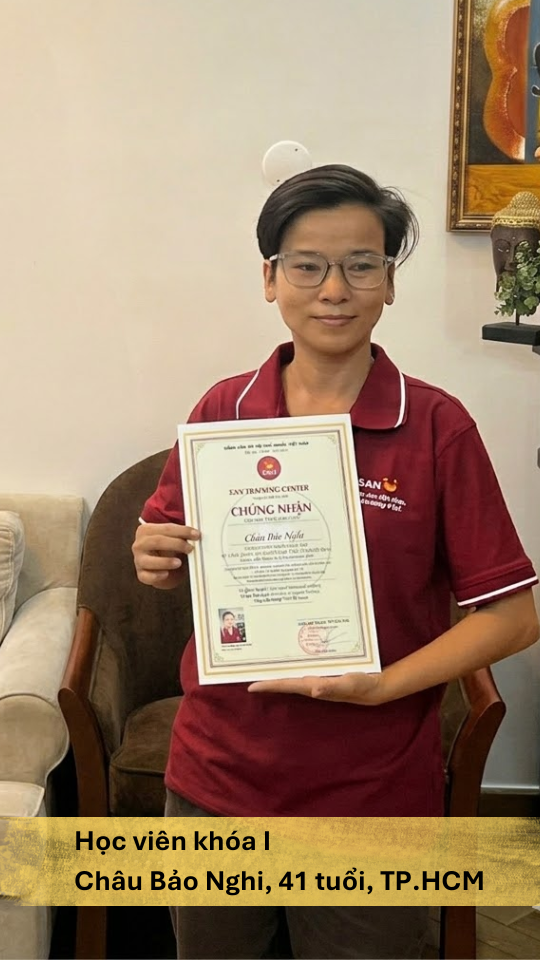
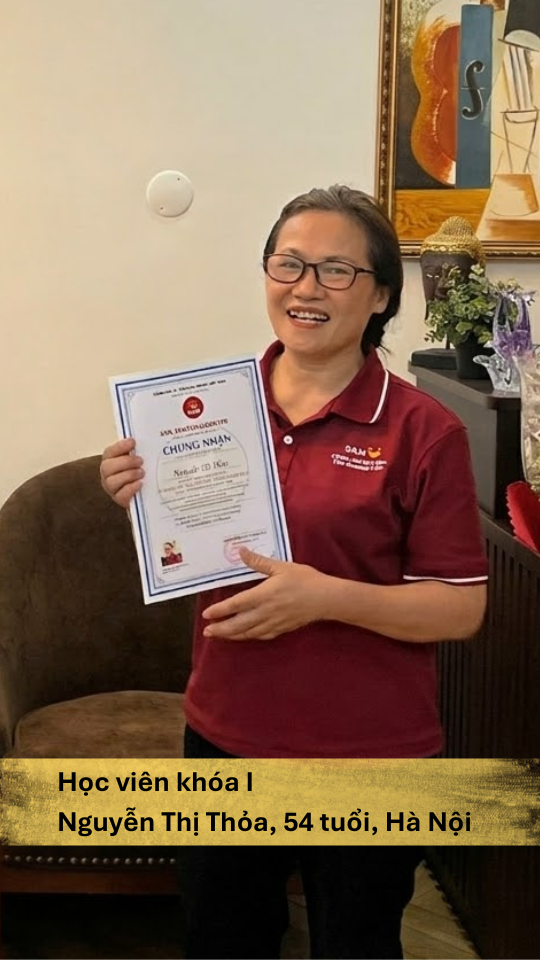
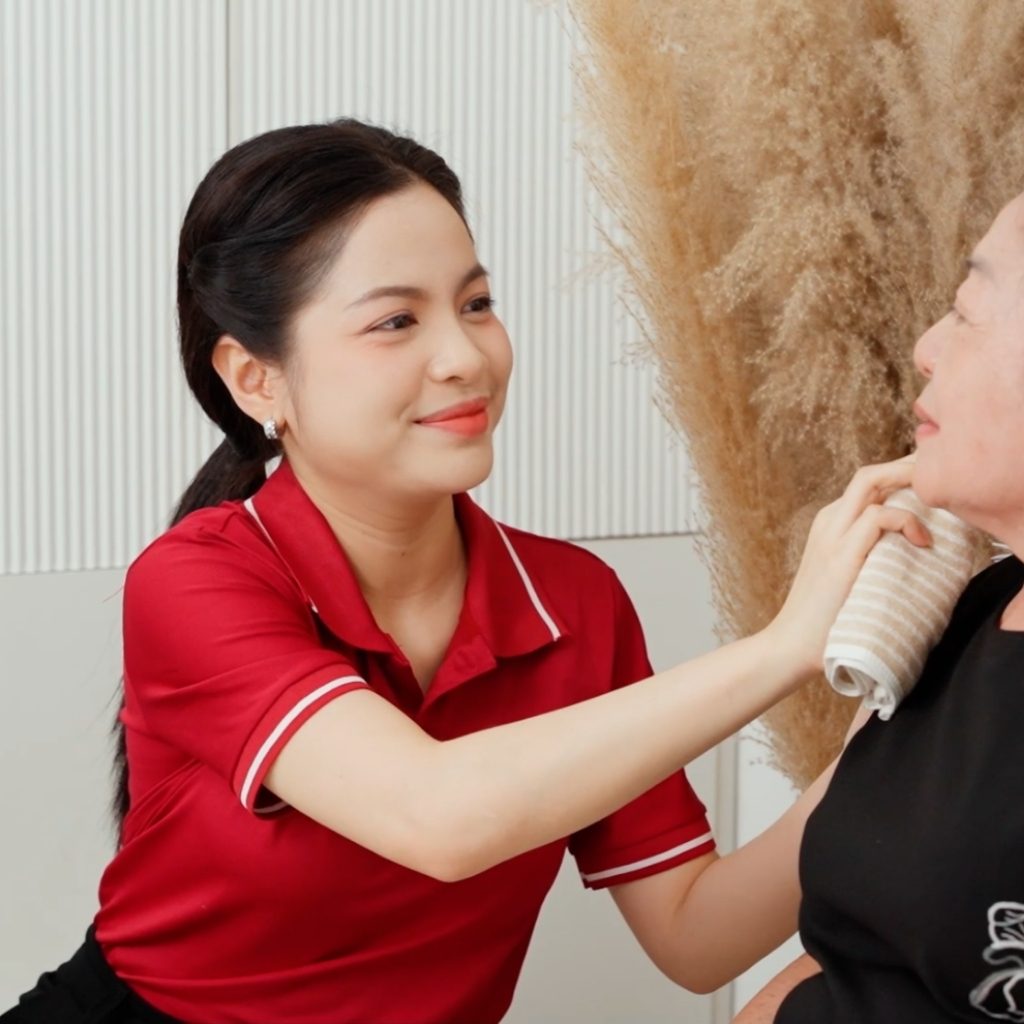
Attentive care
Precision skills
Why do we need a vocational training academy? Professional care?
Vietnam is entering a period of rapid population aging. The need for care for the elderly, the sick, those recovering from surgery, and those requiring assistance with daily living at home is increasing.
However, the market currently lacks a workforce of caregivers who are well-trained, possess practical skills, have the right attitude, and understand their professional responsibilities.
SAN Care Academy was established to help fill that gap: training caregivers who not only "know how to do the job," but also know how to care properly, communicate appropriately, and practice their profession with kindness.
• The need for elderly/sick care is growing.
• Caregivers cannot learn solely through word-of-mouth experience.
• Caregiving requires skills, procedures, ethics, and supervision.
SAN aims to build a standardized care workforce for the market.
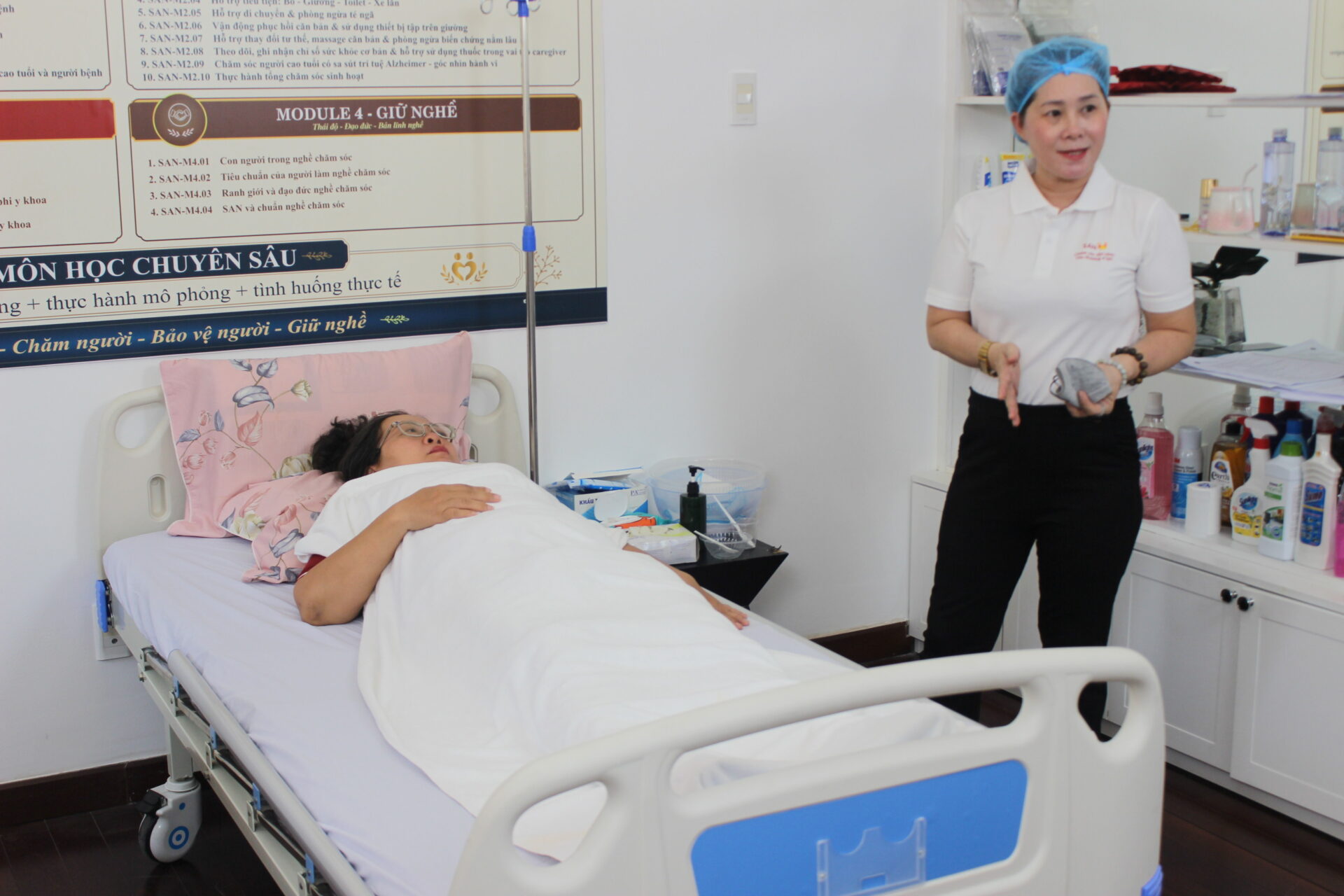
Care needs
SAN Care Academy was established to help fill that gap: training caregivers who not only "know how to do the job," but also know how to care properly, communicate appropriately, and practice their profession with kindness.
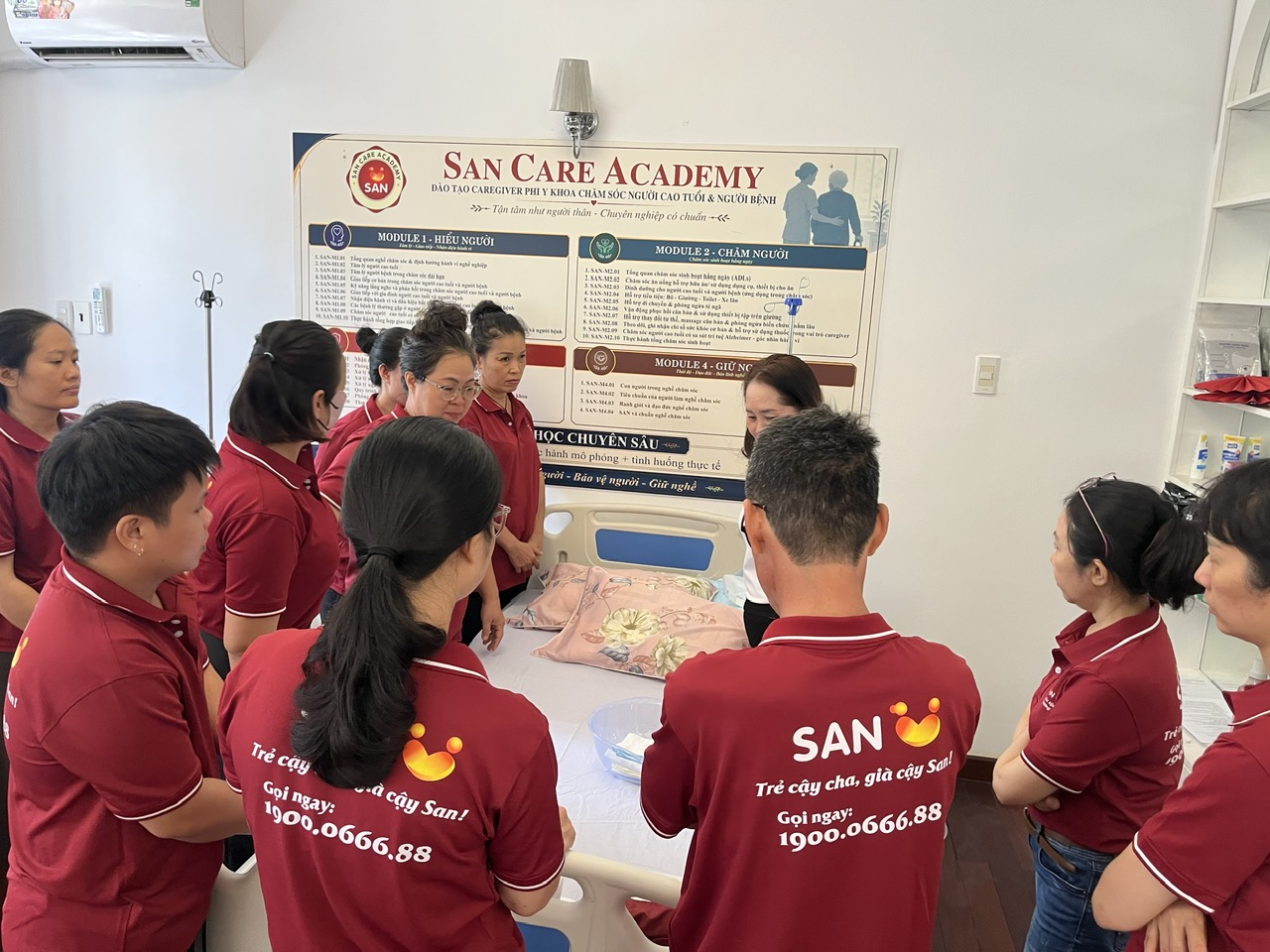
Long-term vision
Building a high-standard healthcare workforce for the market, practicing the profession with dedication.
SAN Care Academy was established to help fill that gap: training caregivers who not only "know how to do the job," but also know how to care properly, communicate appropriately, and practice their profession with kindness.
SAN CARE ACADEMY
Training Academy
-
The need for elderly/sick care is growing.
-
Caregivers cannot learn solely through word-of-mouth experience.
-
The caregiving profession requires skills, procedures, ethics, and supervision.
-
SAN aims to build a standardized care workforce for the market.
What does SAN Care Academy train?
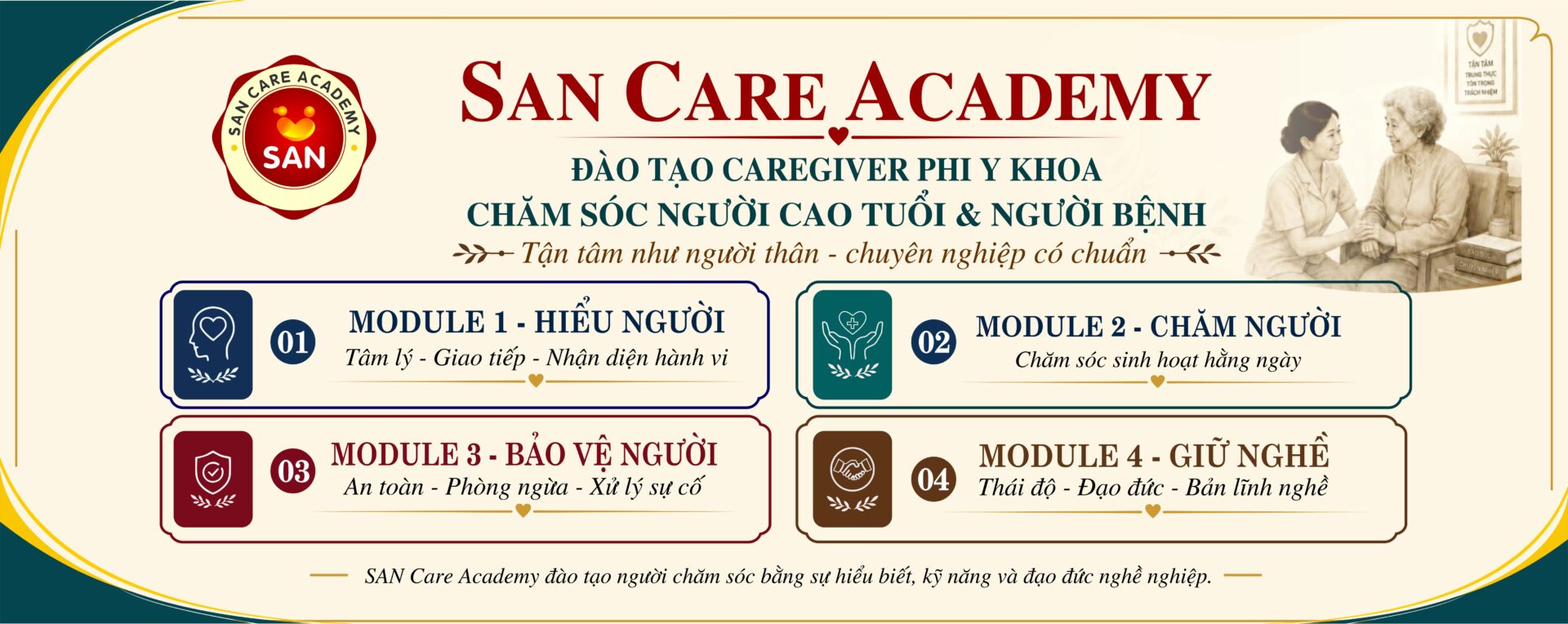
SAN Care Academy is a vocational training program in senior and patient care with a practical focus. Students are equipped with fundamental knowledge, daily care skills, risk prevention skills, communication skills, and the professional attitude necessary to work in a care environment.
Understanding people
The psychology of the elderly, patient characteristics, physical and emotional changes, and listening skills.
Listen and accompany.
Caring for people
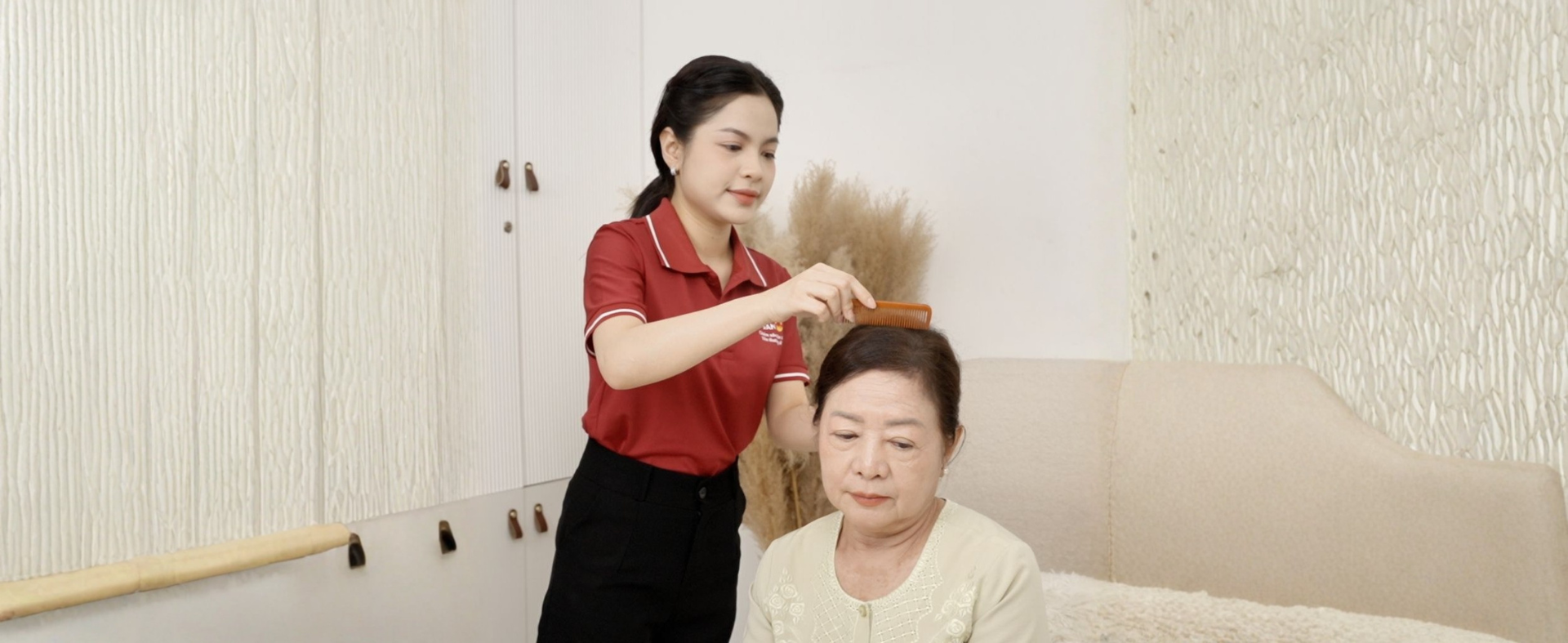
Providing support for eating, personal hygiene, mobility, daily activities, fall prevention, and monitoring basic health signs.
Protect people
Safe care, infection prevention, basic first aid in non-medical settings, and risk assessment.
Working as a professional
Professional attitude, communication with family, shift assignment and handover procedures, working in the hospital and at home.
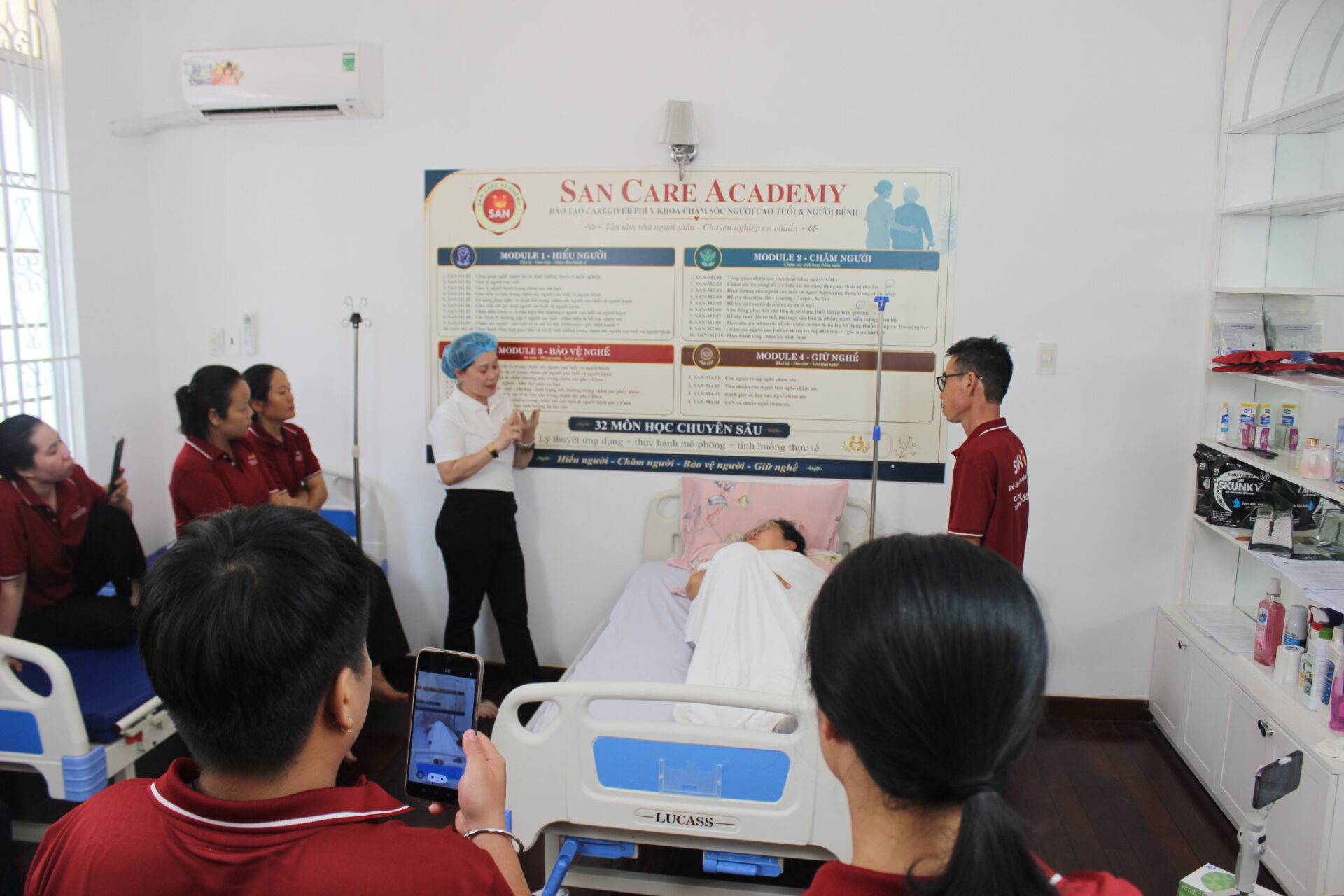
Meets Skill Standards
100% training closely follows the practical requirements of professional jobs.
Skills training isn't enough – SAN trains everyone! professional attitude
For SAN, caregiving is more than just a service job. It's a job that directly involves the health, safety, emotions, and dignity of those being cared for...
Kindness is the standard.
Caregivers must show respect for the elderly, the sick, and their clients' families in every small action.
Clearly, that's the principle.
Work must be transparent, follow proper procedures, and be clearly reported; do not handle matters beyond your scope of responsibility without authorization.
Compassion is the way to do it.
Caregiving is not just about doing things for others, but about accompanying those who are weaker with patience and understanding.
The curriculum is designed according to practical approach
| Time | 3 months |
|---|---|
| Form | Theory, practice, case studies, internships |
| Number of sessions | 32 lessons |
| Internship | 40 hours of observation/practical training + 60 hours of supported training as part of the program. |
| Class size | 15 students per course |
| Output | Students who meet the requirements will have their skills assessed and receive career guidance. |
Main subjects
Understanding people
- Psychology of the elderly
- Patient characteristics
- Common diseases
- Basic nutrition
- Communication and collaboration
Caring for people
- Personal hygiene
- Nutrition support
- Support for movement
- Preventing falls
- Basic health monitoring
Protect people
- Safe care
- Infection prevention
- Basic first aid
- Handling the situation
- Risk identification
Working as a professional
- Professional attitude
- Communicating with family
- Working from home and in hospitals.
- Shift taking and handover procedures
- Ethics and responsibilities in the caregiving profession.
The path from student to
qualified caregiver
1. Register for a consultation
Students receive advice on the study program, eligibility requirements, tuition fees, and career opportunities.
2. Entrance Interview
SAN assesses the trainees' desires, attitudes, health, and suitability for a caregiving career.
3. Learn theory and practice
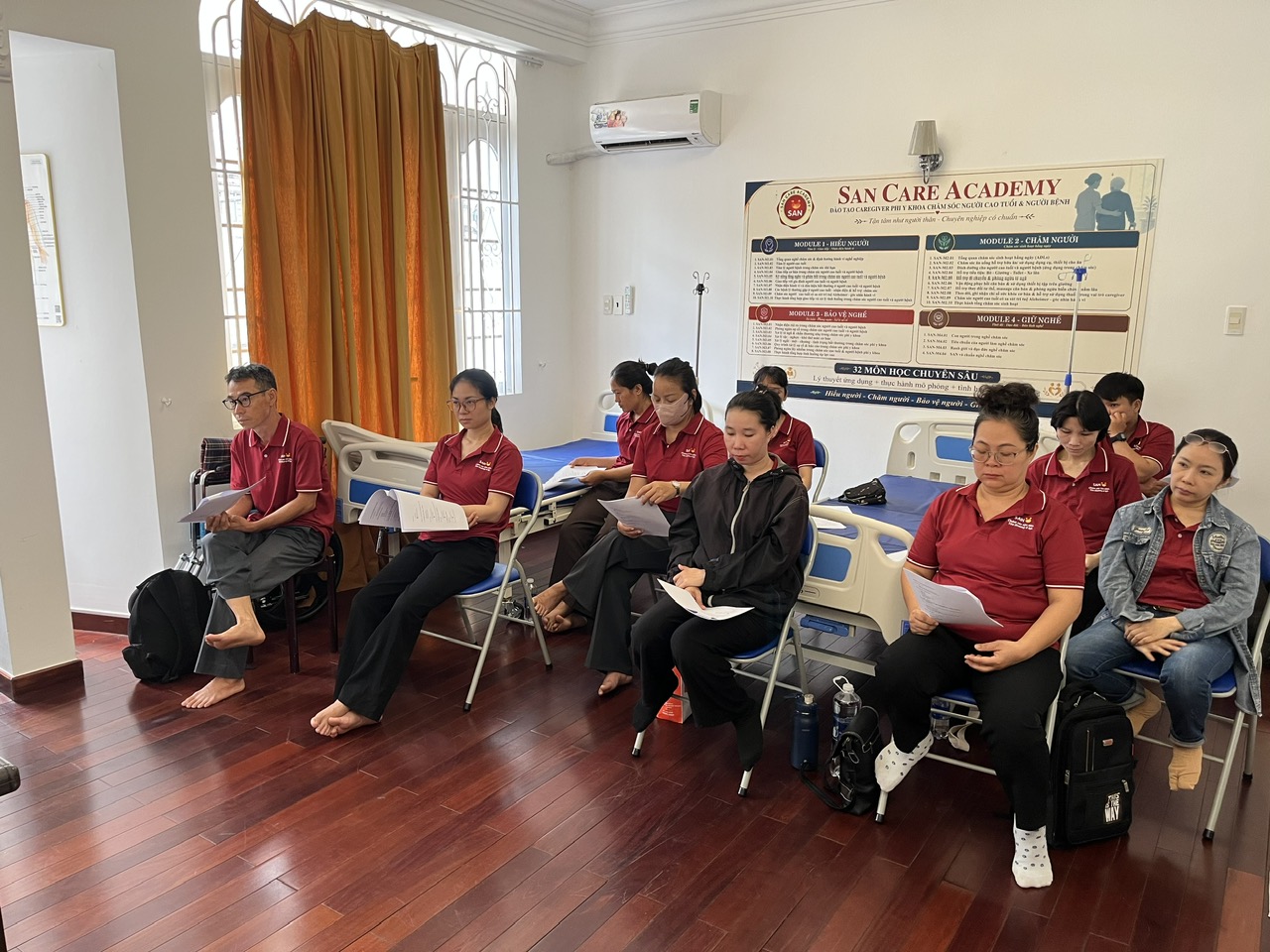
Students are taught according to four competency groups: understanding people, caring for people, protecting people, and practicing their profession.
4. Guided internship
Trainees become familiar with a real-world care environment and are supervised by instructors.
5. Final assessment
SAN assesses skills, attitude, communication abilities, sense of responsibility, and readiness for employment.
6. Career guidance
Successful trainees will be guided towards job opportunities at SAN, its care partners, or other suitable environments.
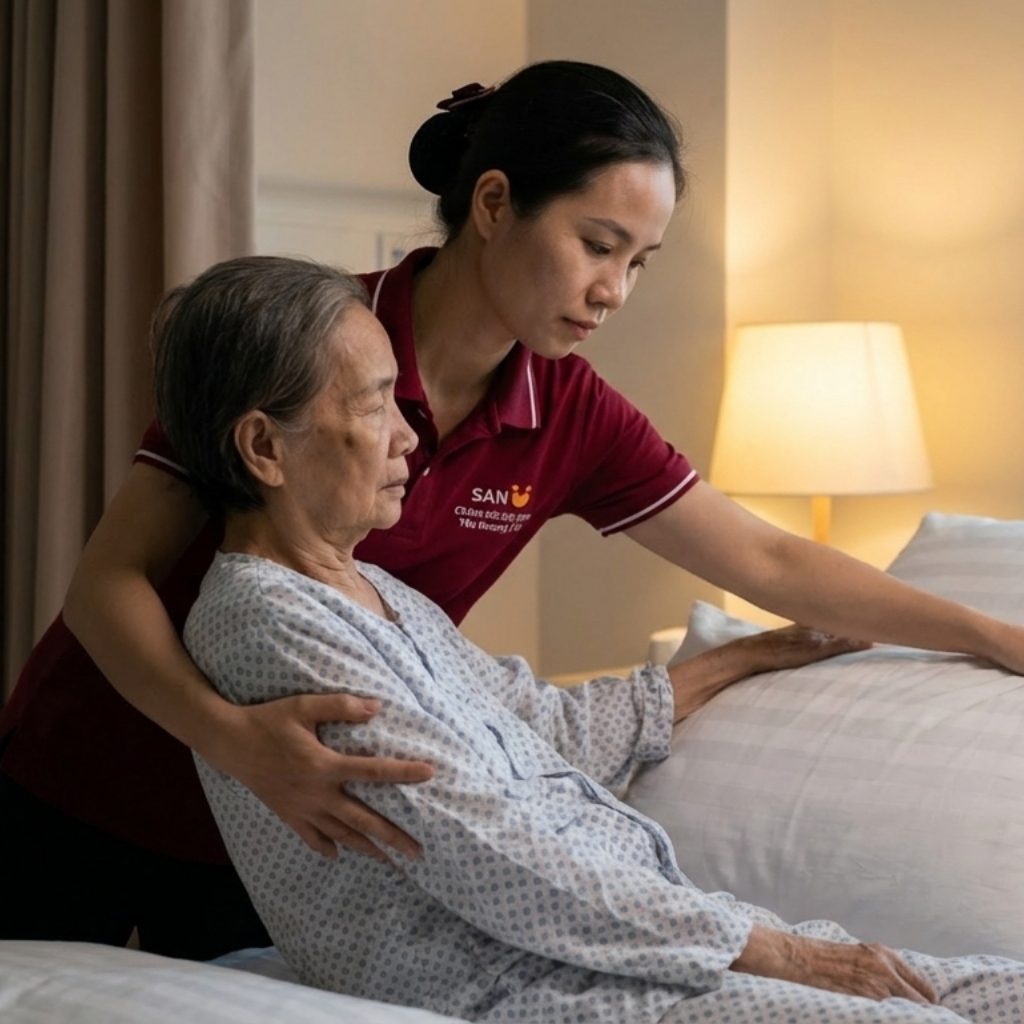
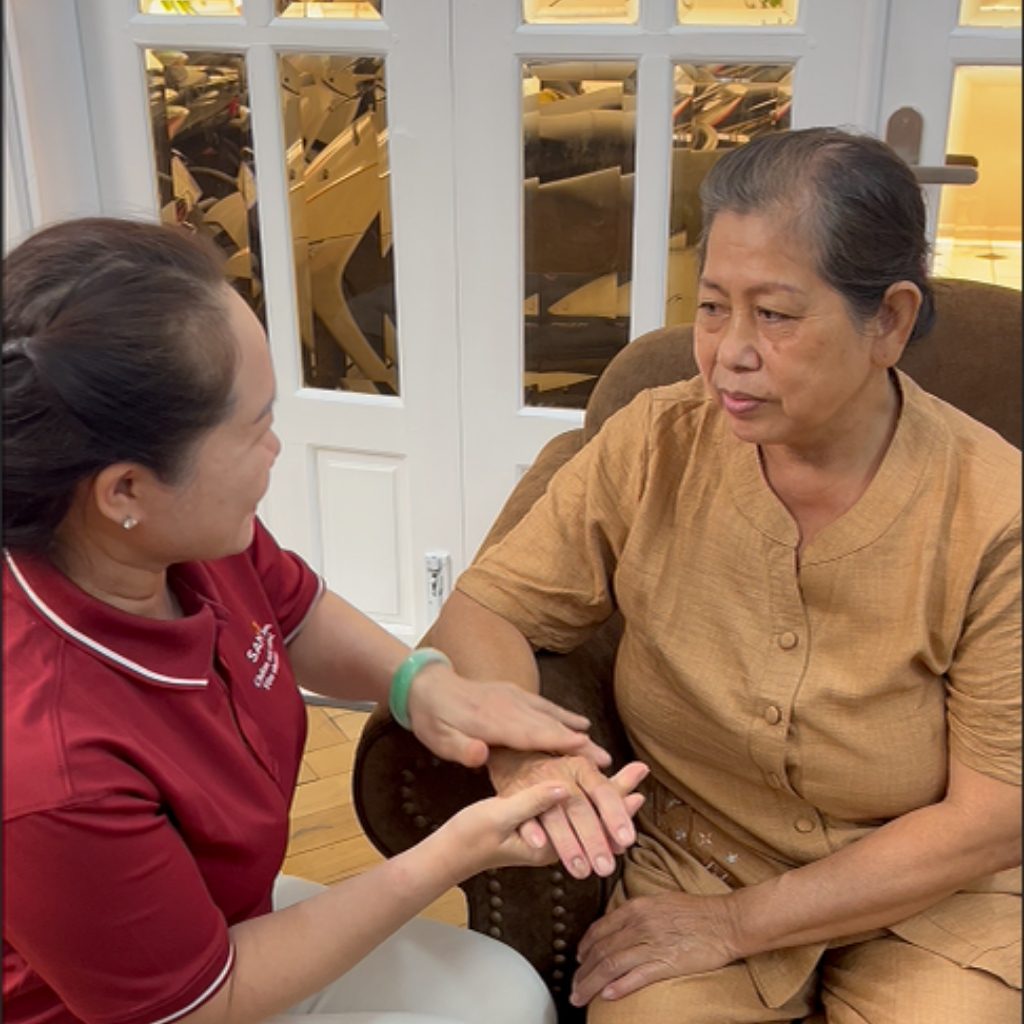
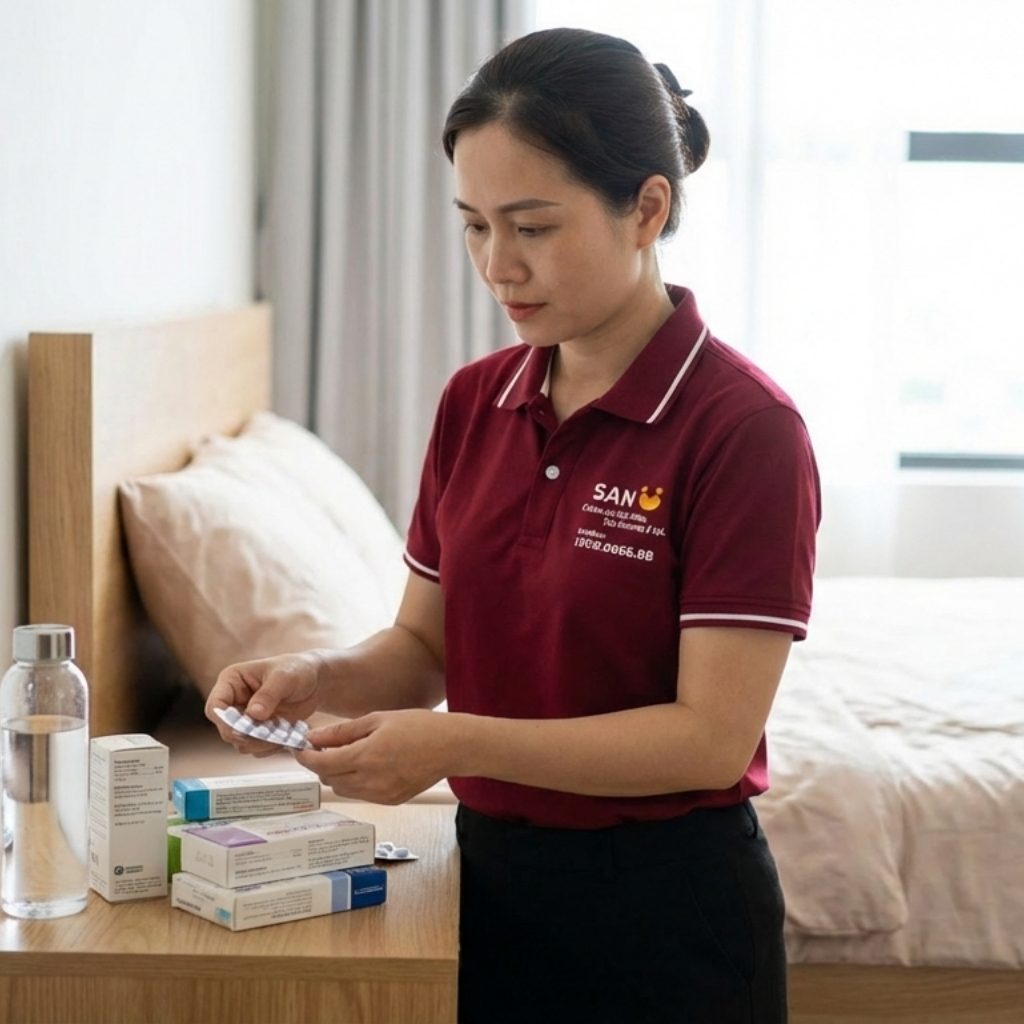
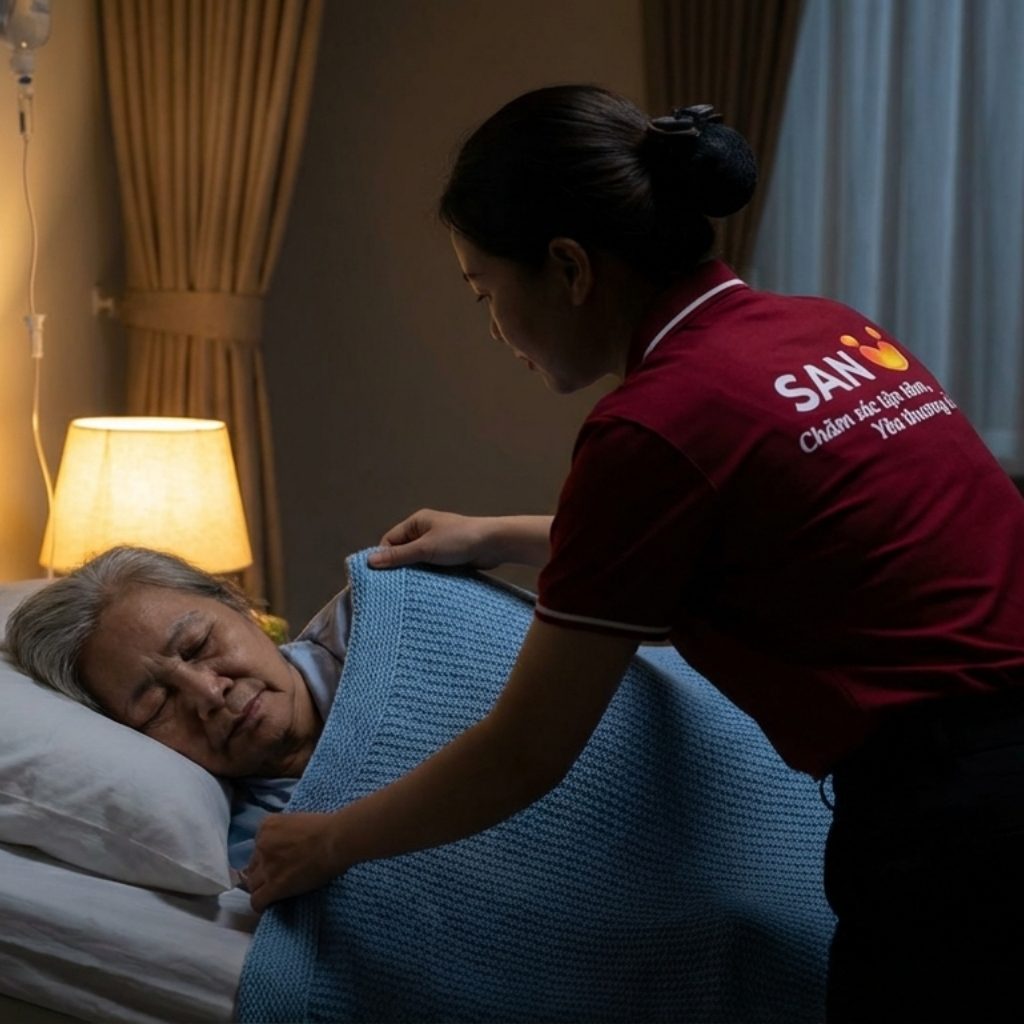
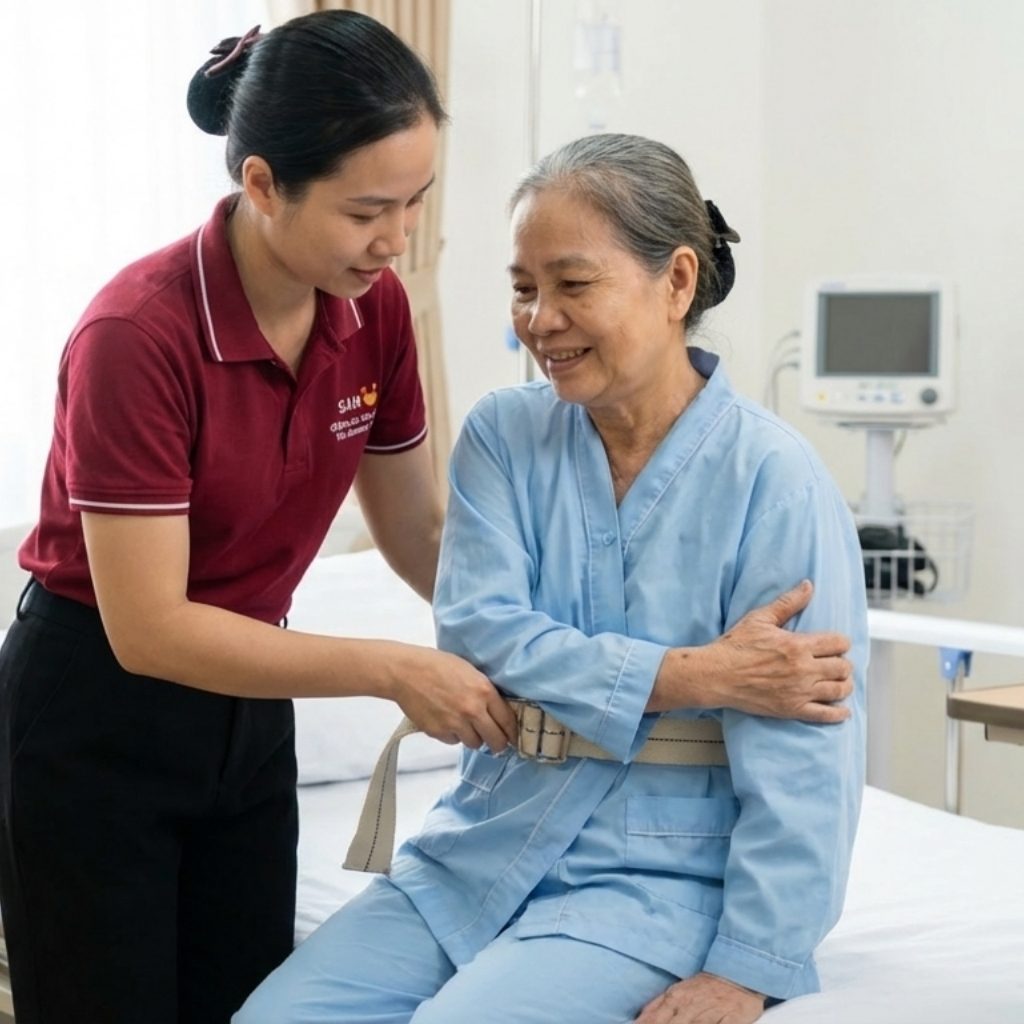
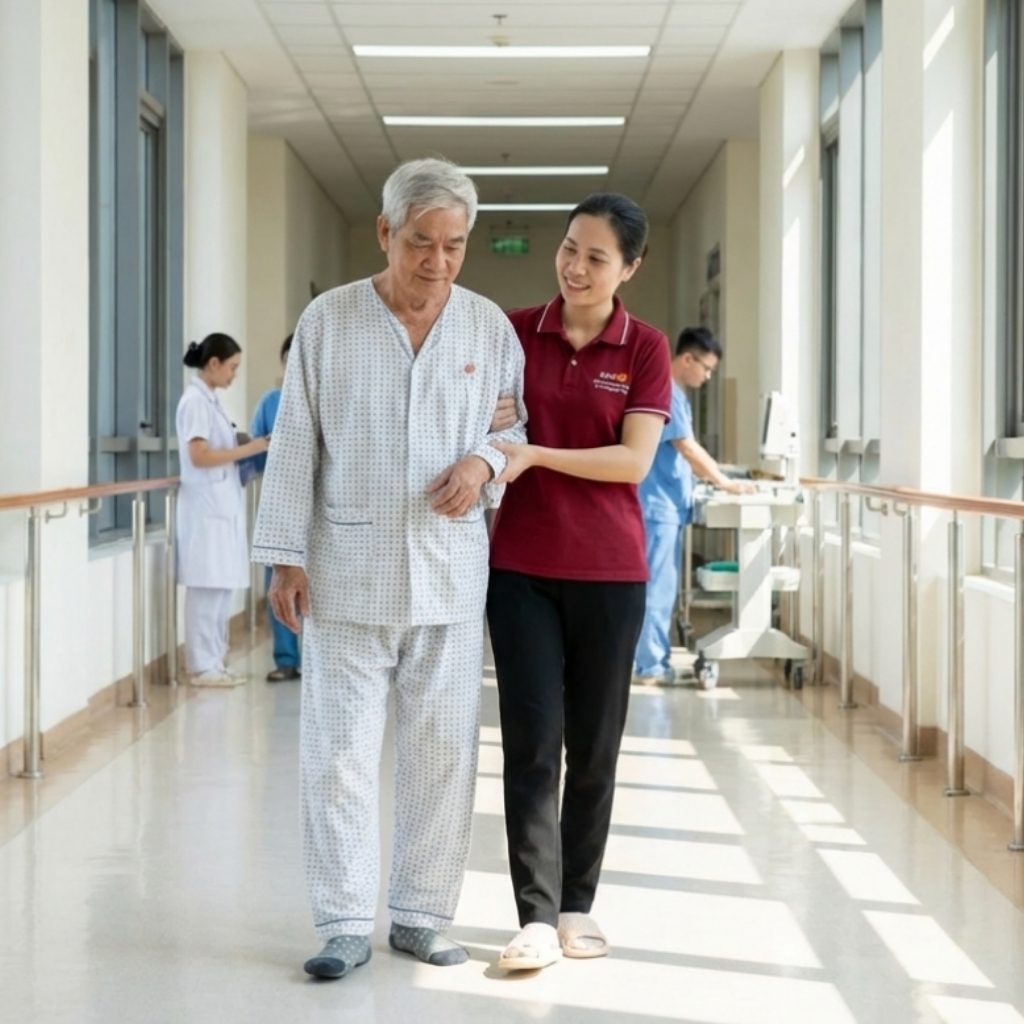
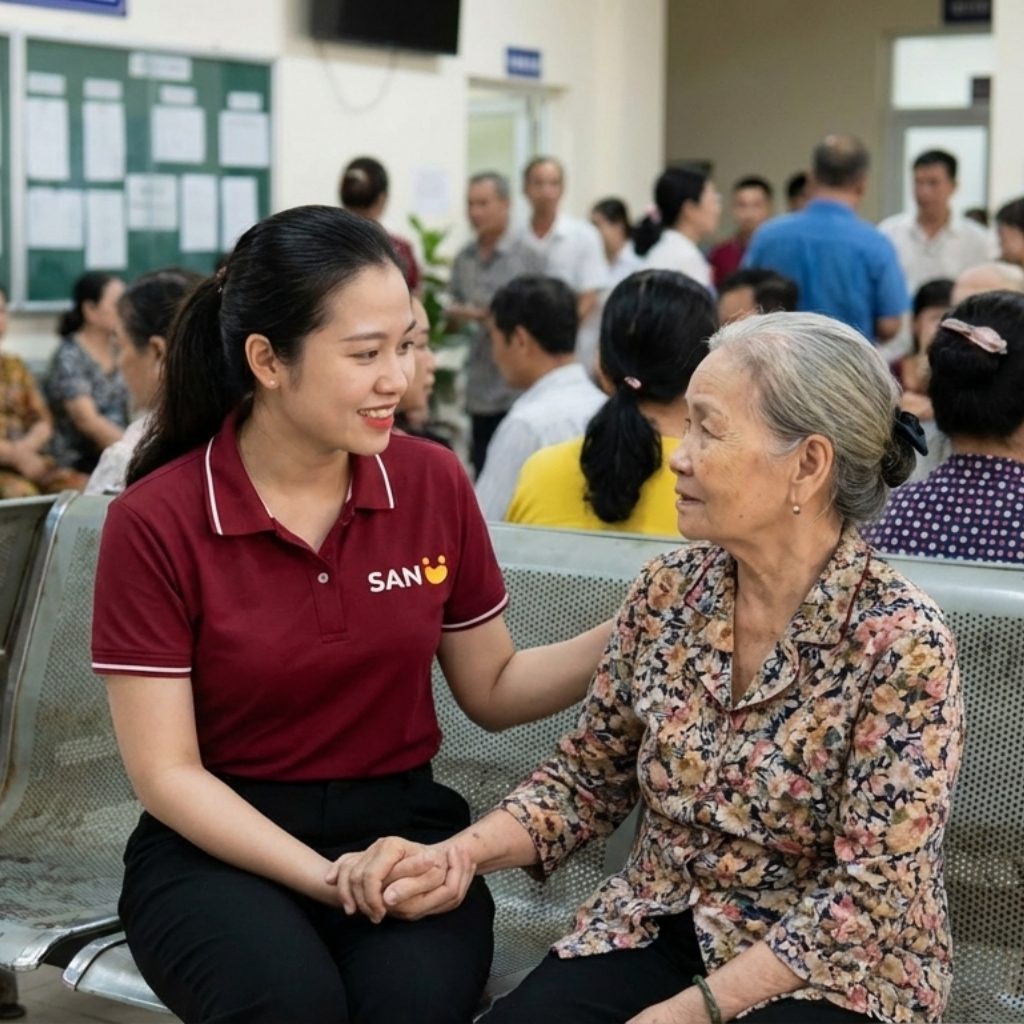
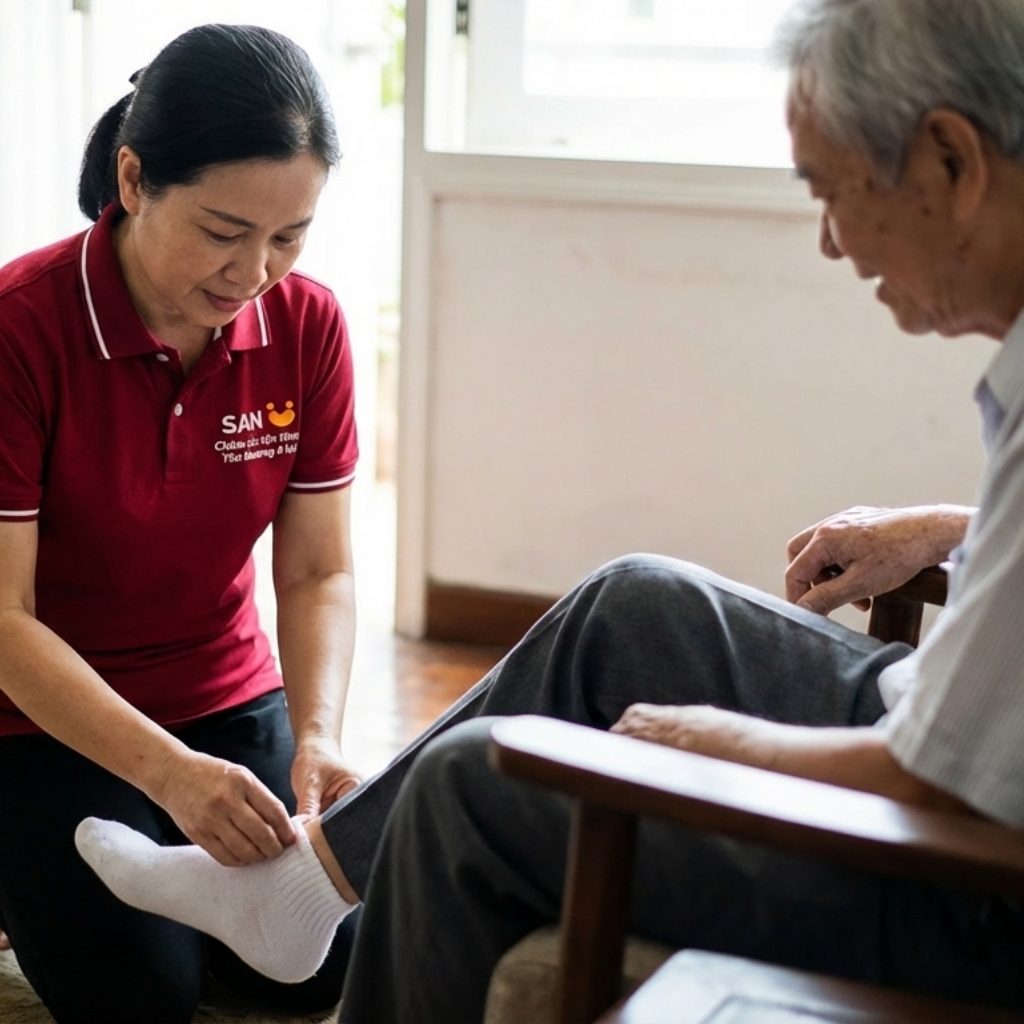
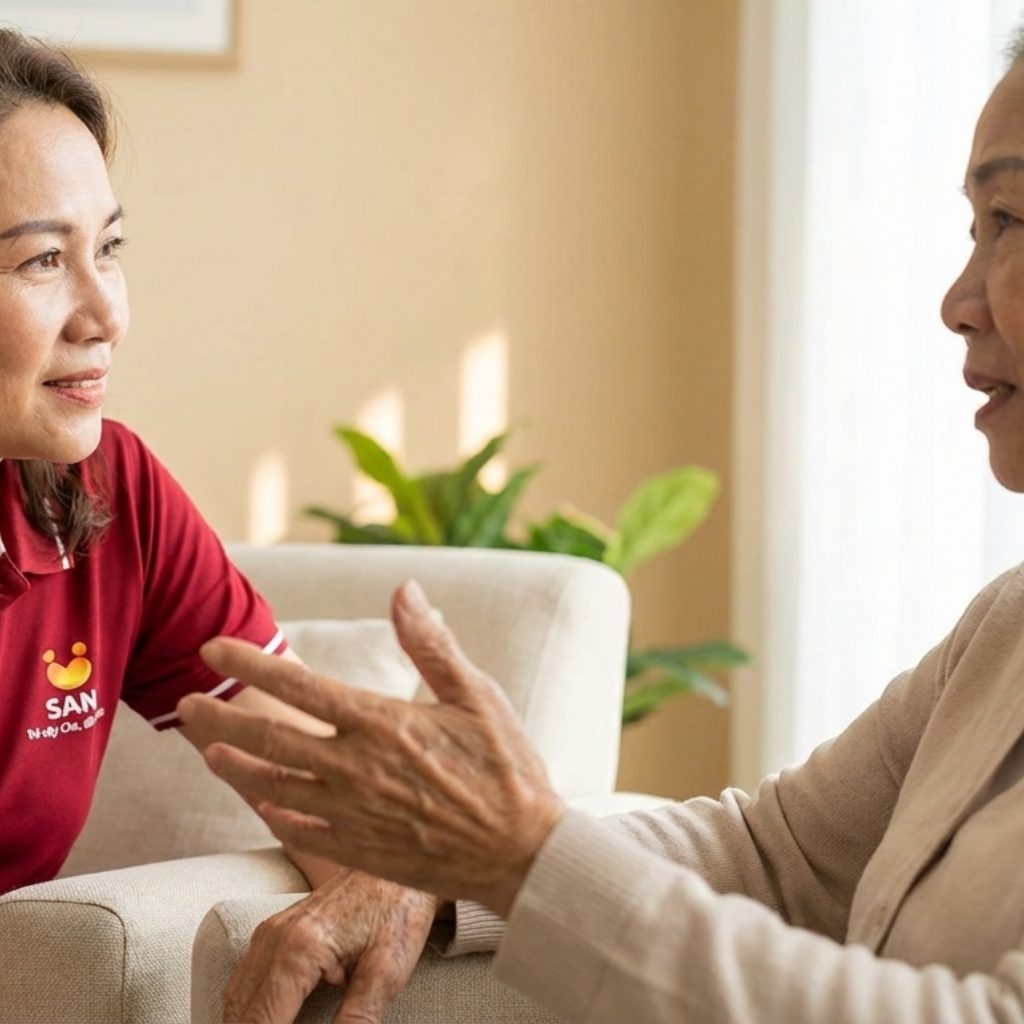
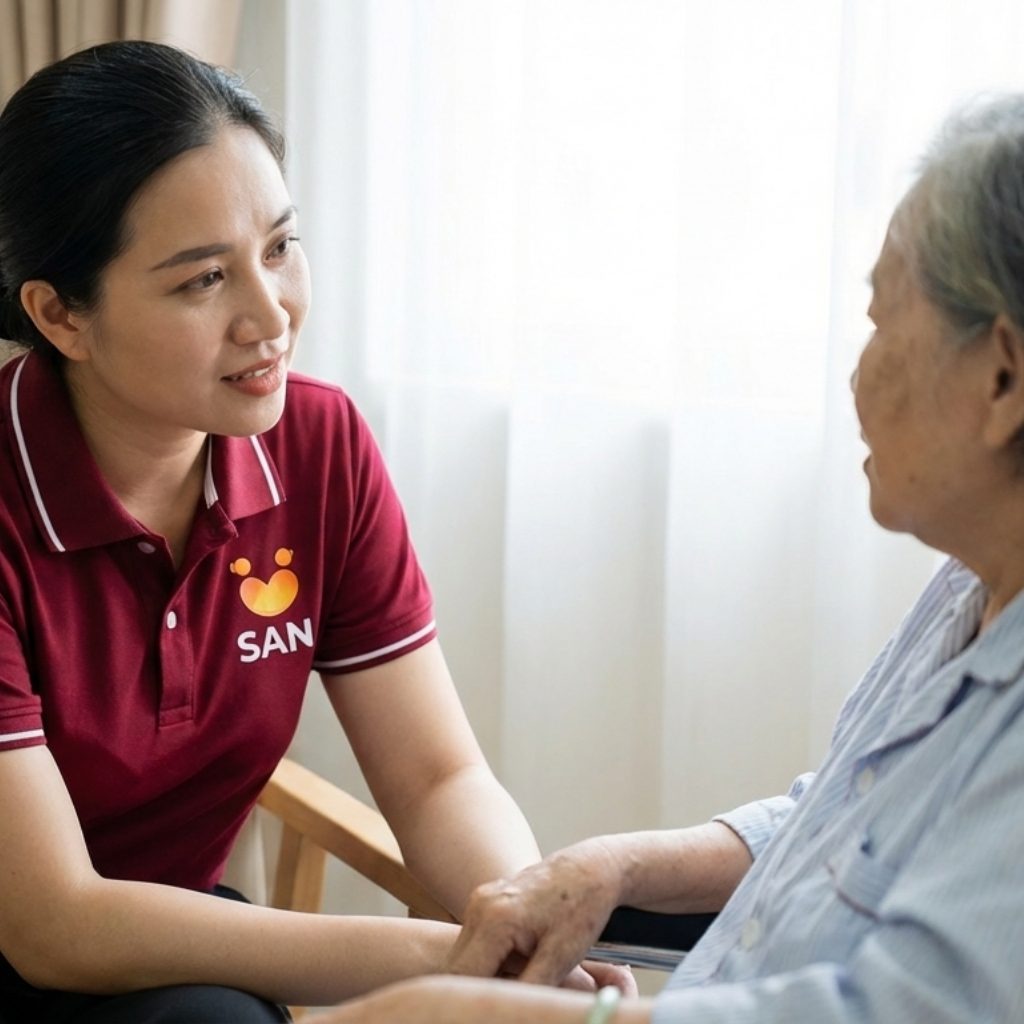
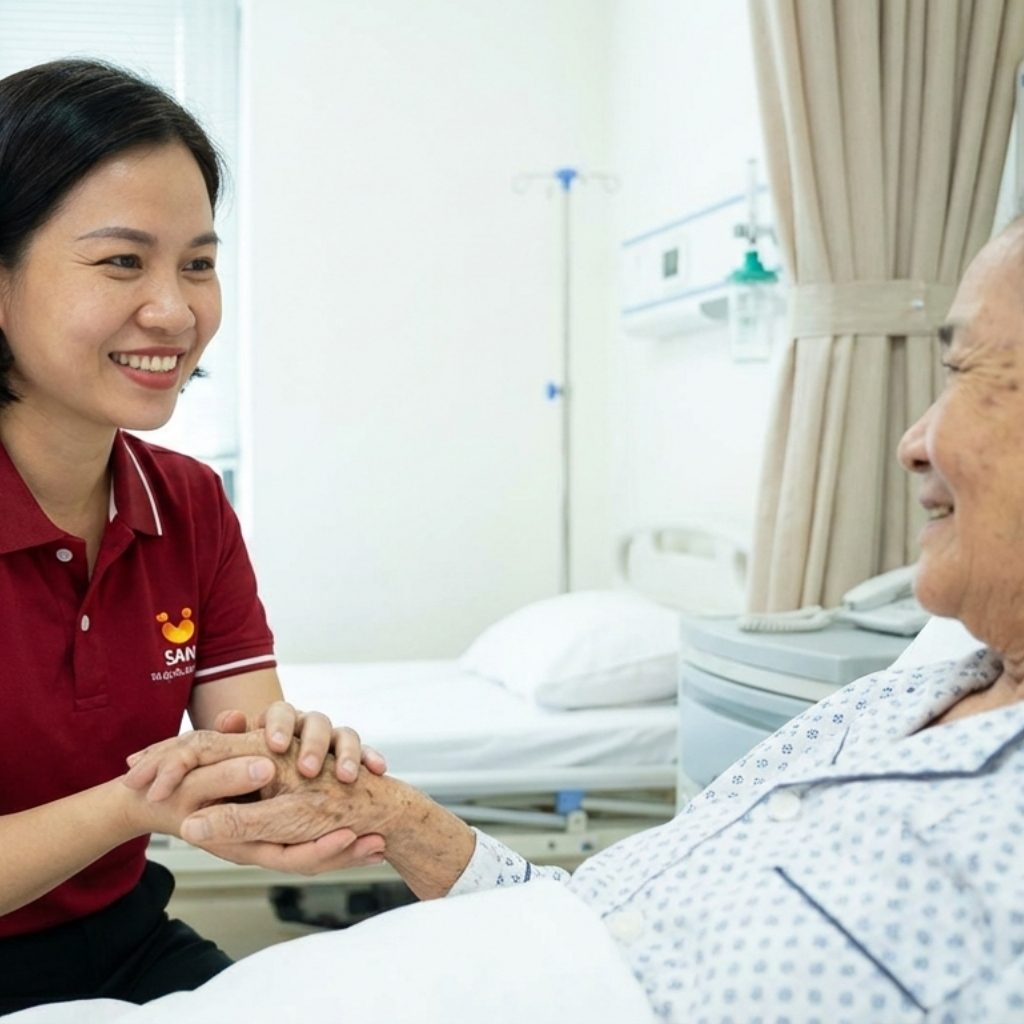
Caring is not just a job – it's a solid career for those who do it with dedication.
After the course, students
Where can I work?
Upon successful completion of the program and meeting evaluation requirements, trainees have the opportunity to work within the SAN ecosystem or at healthcare partners.
- Caregiver staff at SAN
- Hourly care assistant
- Home caregiver
- Hospital caregiver
- Caregiving staff at nursing homes or care centers
- Further education expands career opportunities.
Note: Job opportunities depend on each student's academic performance and attitude assessment.
The difference of SAN Care Academy
Training is linked to a real-world care ecosystem.
SAN directly provides care for the elderly, the sick, and family support, so the training program is built on real-world needs.
It's not just about learning skills, but about learning how to do the job.
Trainees are trained in attitude, communication, responsibility, discipline, and professional ethics.
There is practice and training.
The program helps students become familiar with real situations, real environments, and real demands of the caregiving profession.
Job placement assistance is available after the course.
Qualified trainees receive counseling, evaluation, and are connected with suitable job opportunities by SAN.
Who is suitable for SAN Care Academy?
CREATE IT
THE DIFFERENCE!
Course Who is it suitable for?
This course is suitable for:
- People who want to learn a practical, easy-to-start trade.
- People who want to change careers to the caregiving field.
- People who wish to work with the elderly and the sick.
- People who want a stable, meaningful job.
- Men and women aged 20-50, in suitable health.
- A responsible, patient, and willing learner.
Not suitable if you:
- Lack of patience with the elderly/sick
- Unwilling to comply with procedures
- Unwilling to practice or do practical work.
- Not suitable for work requiring care, responsibility, and compassion.
Information admissions
| Course name | Training in caring for the elderly and the sick. |
|---|---|
| Time | 3 months (12 weeks) |
| Quantity | 15-20 students per course |
| Tuition | Khóa Chuyên nghiệp: 11.400.000vnđ, giảm 20% còn 9.120.000vnđ | Khóa Nền Tảng: 7.000.000vnđ, giảm 20% còn 5.600.000đ |
| Form | Learn theory, practice, and do internships. |
| Opening Ceremony | Contact us for the nearest available schedule. |
| Location | SAN Care Academy training facility |
Upon completion of the course,
What do students receive?
Students who complete the program and meet the evaluation requirements will receive a solid foundation to enter the profession.
Training certificate
Issued by SAN Care Academy
Confirmation of completion of the course on elderly and patient care with standard skills.
Professional Handbook
Internal document
This set of materials systematizes caregiving skills, procedures, and scenarios for trainees to refer to.
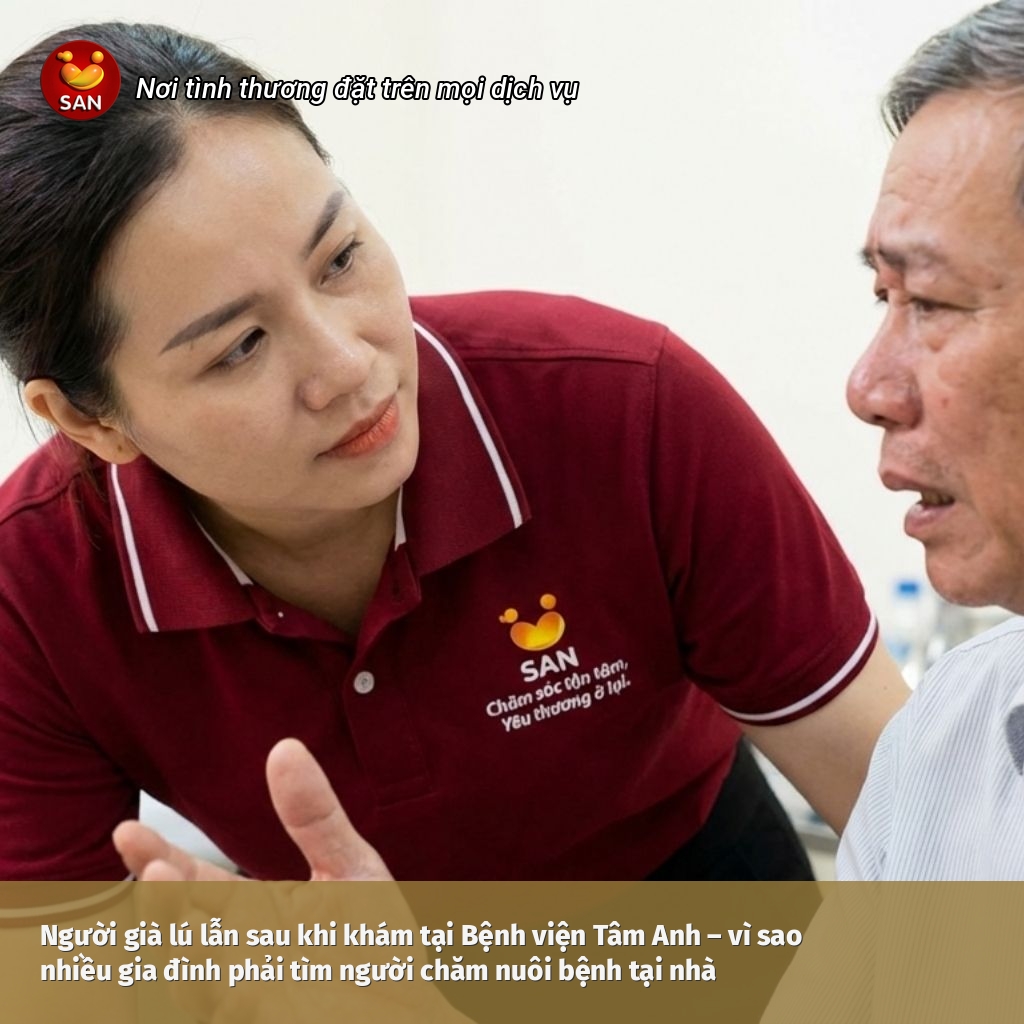
Practical skills
It has undergone rigorous evaluation.
Confidence to handle tasks ranging from the smallest things like cleaning to managing patients' psychological crises.

Job opportunities
Interview support
Priority will be given for interviews to join SAN Care's caregiving team or for referrals to partners.
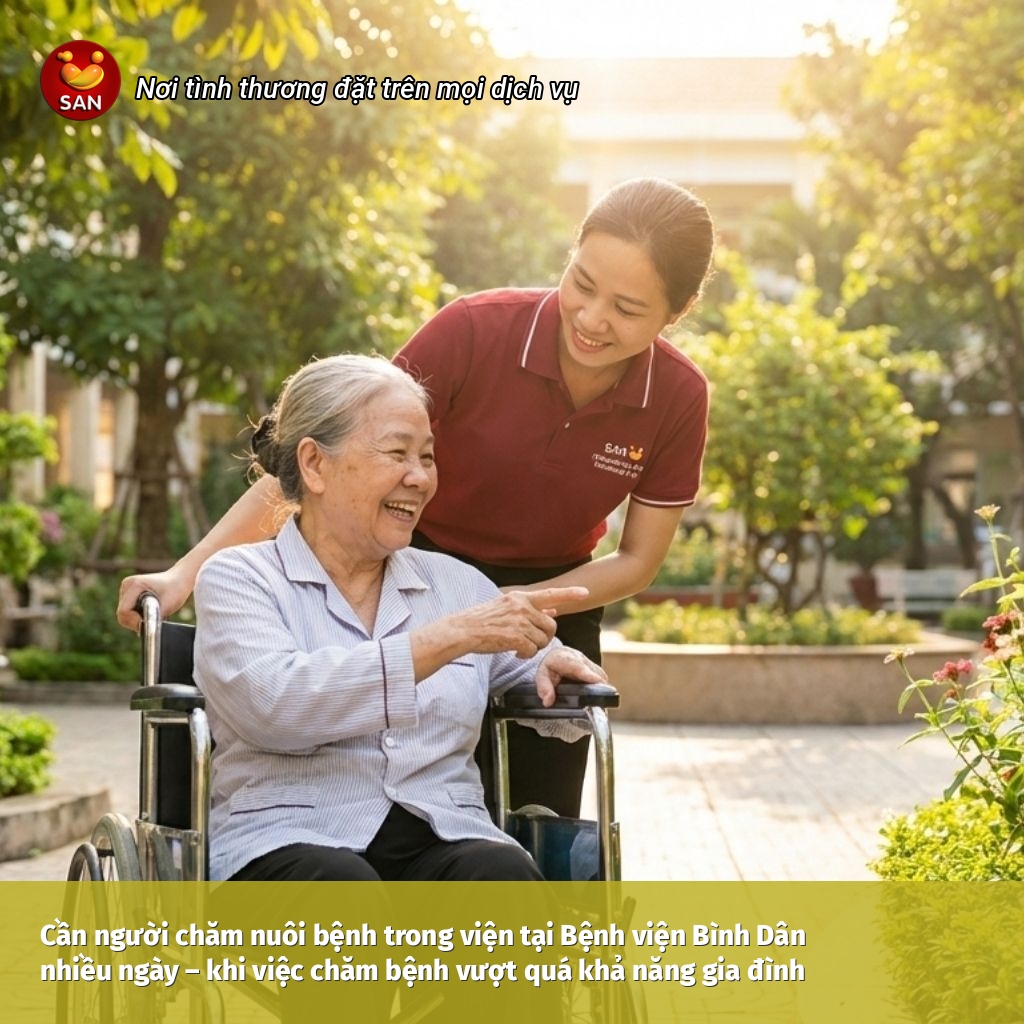
Learn a decent trade –
do valuable work
Caregiving is more than just a job to earn a living. It's an art of empathy, patience, and compassion. A good caregiver doesn't just use their hands to work, but their heart to connect.
SAN Care Academy believes that every caregiver carries within them a quiet but noble mission: to bring peace, dignity, and joy to the most vulnerable.
SAN doesn't just train people to work. SAN trains qualified caregivers.
What do students and their families say?
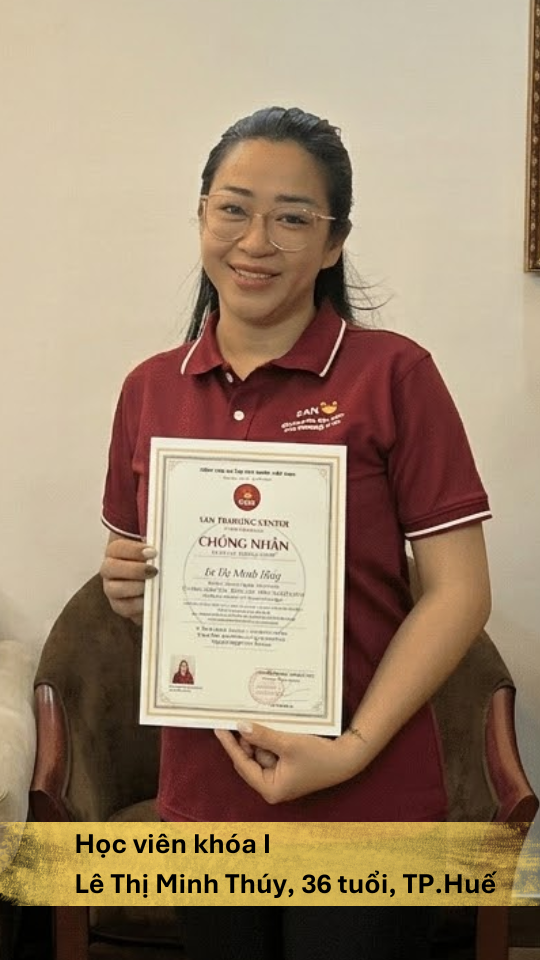
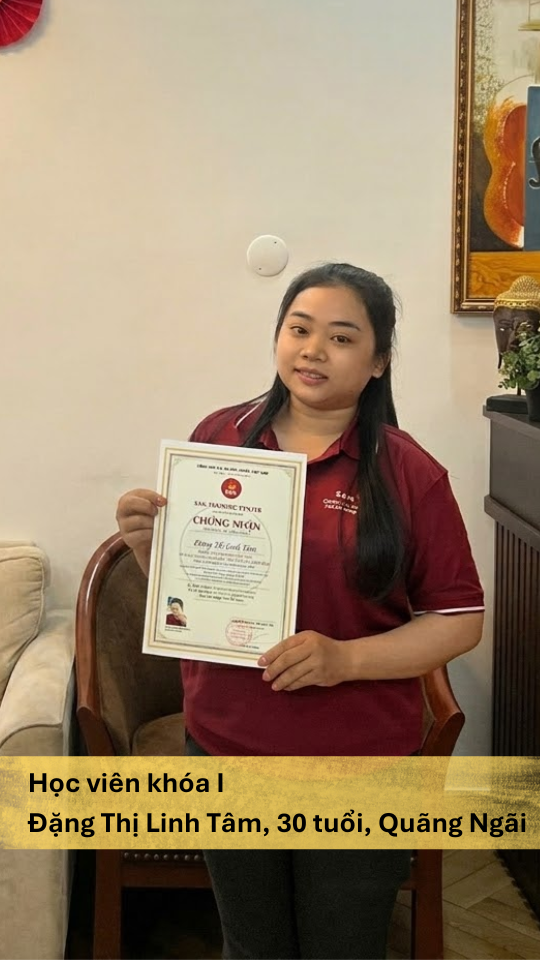
Swipe to see more
I've never cared for a patient before, can I still learn?
Will I be able to work after graduating?
Does the course include an internship?
Can tuition fees be paid in installments?
What certificate will I receive upon completion of the course?
Is this profession suitable for men?
Question
commonly
Still have questions?
Don't hesitate to contact the SAN Care Academy counseling team. We are always ready to assist and answer any questions you may have about our courses, tuition fees, and career paths.
Contact Us for Consultation
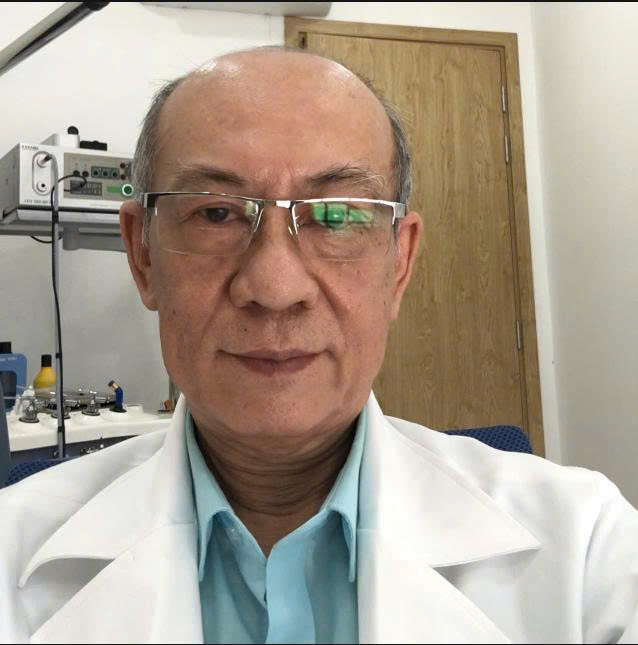
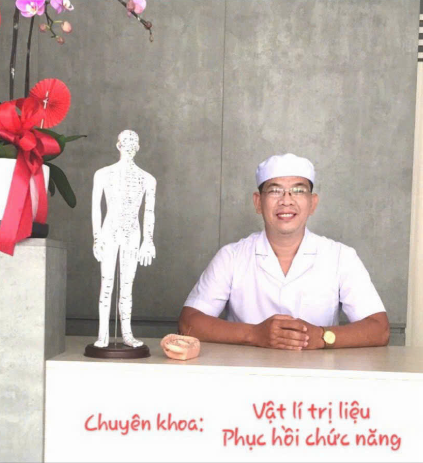
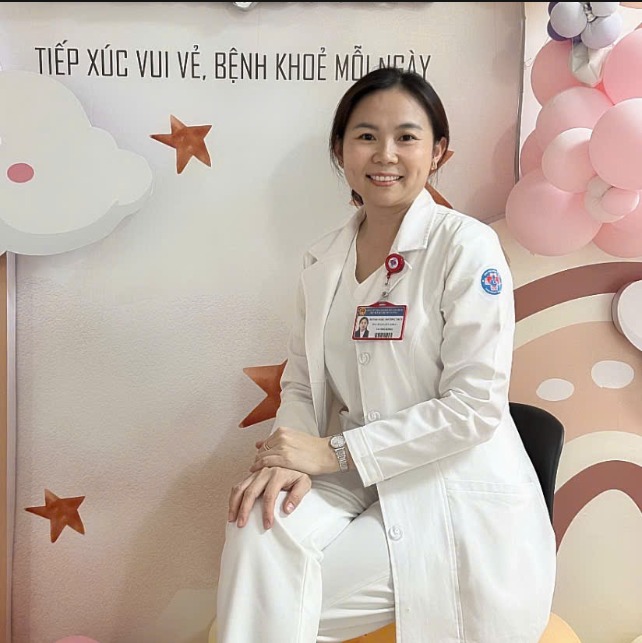
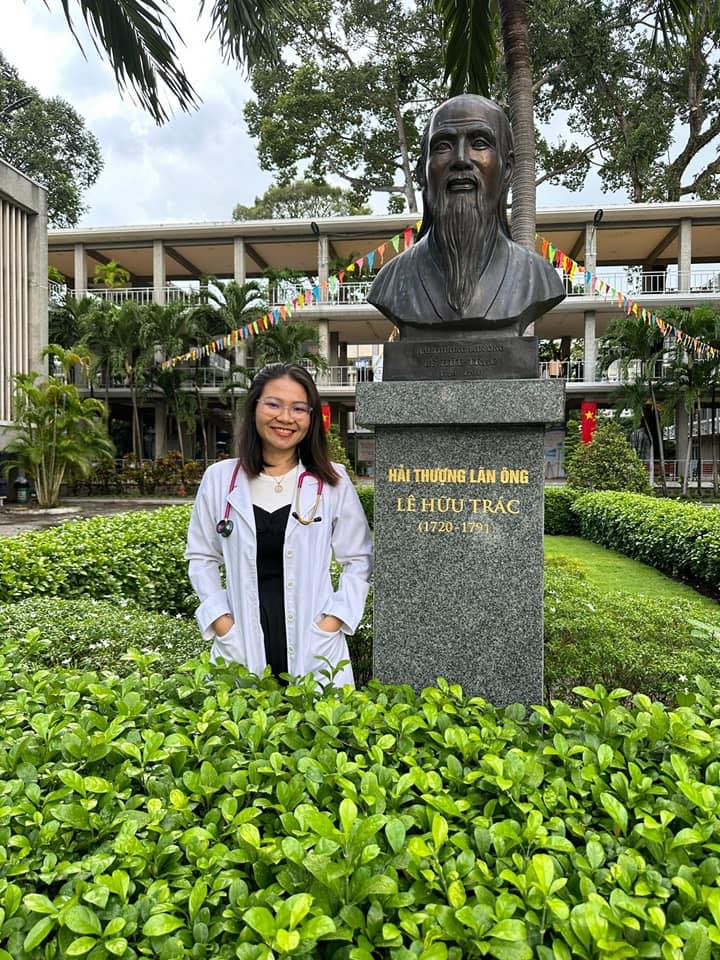
Faculty
SAN Academy for Training in Elderly Care
Dedicated and experienced instructors will directly guide you on your journey to becoming a professional caregiver.
Update these
Latest news and articles

Dưỡng lão bán trú là gì? Khi nào người cao tuổi phù hợp với mô hình này?
Dưỡng lão bán trú là gì? Khi nào người cao tuổi phù hợp với mô hình này? Dưỡng lão bán […]
Read more
Trung tâm chăm sóc người cao tuổi là gì? Có giống viện dưỡng lão không?
Trung tâm chăm sóc người cao tuổi là gì? Có giống viện dưỡng lão không? “Trung tâm chăm sóc người […]
Read more
Viện dưỡng lão, dưỡng lão bán trú hay chăm sóc tại nhà: khác nhau như thế nào?
Viện dưỡng lão, dưỡng lão bán trú hay chăm sóc tại nhà: khác nhau như thế nào? Ba mô hình […]
Read more


