
Elderly Overseas Vietnamese Returning to Vietnam for Medical Care: What Families Should Plan
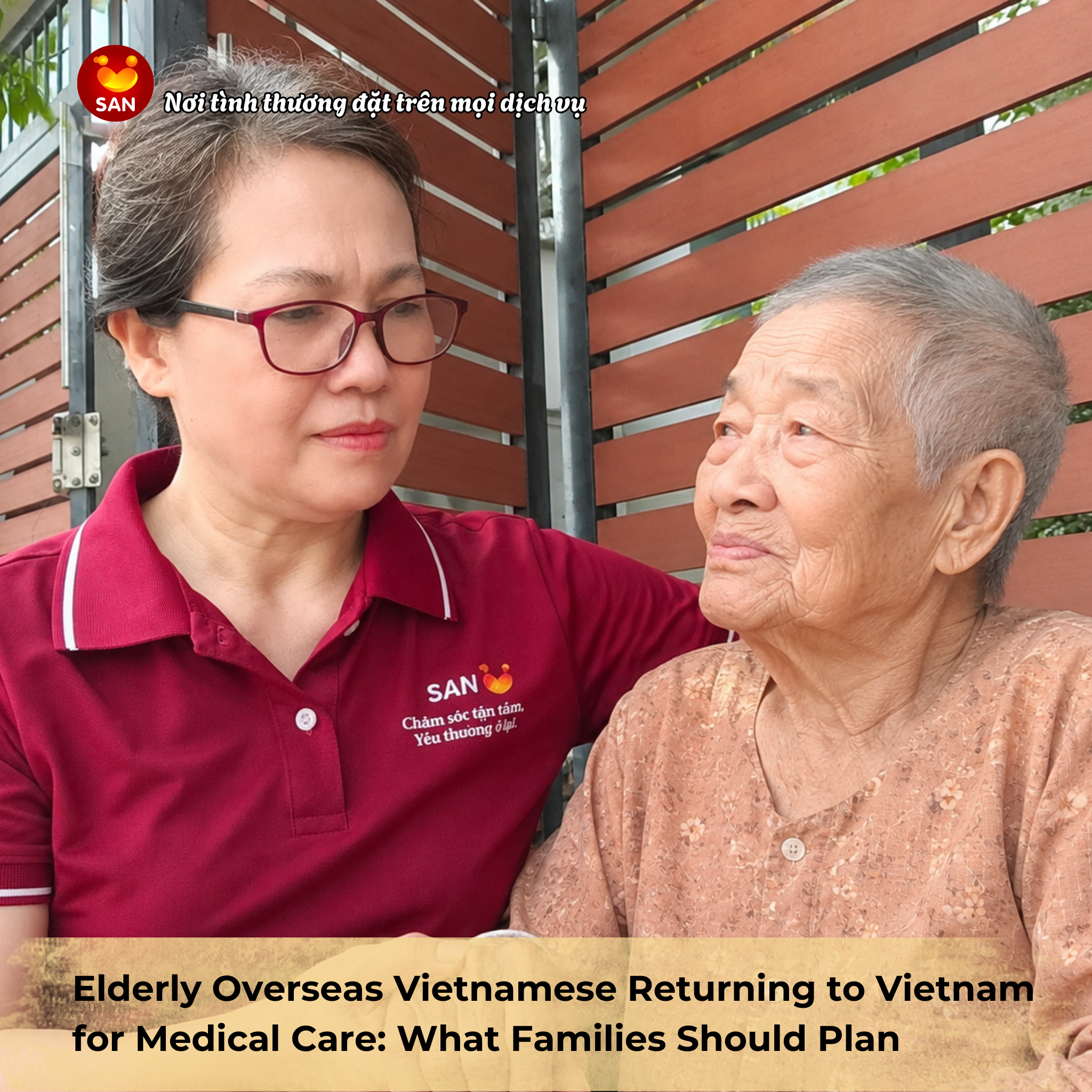
For an older overseas Vietnamese person, returning to Vietnam for a medical check-up or treatment can mean coming home to familiar food, language and family.
But it can also involve a long flight, a busy schedule, unfamiliar hospital routines and several days of appointments.
For elderly travellers, the goal should not be to fit as much as possible into the trip.
The goal should be to create a manageable care journey with enough support and recovery time.
1. Start planning before the flight
Before travelling, families should have a clear picture of:
- why the patient is seeking medical care;
- expected hospital or clinic;
- appointment dates;
- accommodation in Vietnam;
- transportation;
- whether someone can accompany the patient;
- and whether caregiving may be needed afterward.
Important medical questions—including whether a person is fit to travel—should always be discussed with their healthcare provider.
For practical support, families can start by considering what the elderly person may need outside the consultation room.
2. Bring the most relevant medical information
Depending on the reason for the visit, it may be useful to prepare:
- recent medical reports;
- laboratory results;
- imaging reports;
- medication lists;
- prescriptions;
- discharge summaries;
- information about allergies;
- previous treatment records.
Keep a digital copy whenever possible.
The hospital or doctor should advise whether any records require translation or additional documentation.
3. Give an elderly traveller time to settle in
After arriving in Vietnam, avoid creating an unnecessarily demanding first day.
An older traveller may simply need time to:
- rest;
- eat and drink;
- settle into the accommodation;
- organize documents;
- reconfirm the hospital appointment.
If possible, leave some flexibility around the medical schedule rather than filling every available hour.
4. Consider whether the patient should go to the hospital alone
A hospital visit can involve considerably more than the medical consultation itself.
The patient may have to:
- register;
- find the correct department;
- move between different areas;
- wait for tests;
- carry documents;
- collect medication;
- return to the accommodation afterward.
For an older adult with reduced mobility or limited familiarity with Ho Chi Minh City, practical support can make the day less stressful.
SAN provides non-medical assistance for patients who need someone to accompany them during the hospital journey. hospital and home patient care in Ho Chi Minh City
SAN’s existing service page describes home and hospital support, assistance with daily activities, mobility and family updates.
5. Plan for what happens after the appointment
Families often prepare carefully for the hospital but overlook the hours afterward.
An elderly patient may return home tired and still need assistance with:
- meals;
- personal hygiene;
- walking;
- getting comfortable;
- everyday activities;
- preparing for another appointment.
If the patient has been discharged from hospital, the family should follow the instructions provided by the medical team.
SAN already has a post-discharge page describing non-medical support such as daily living assistance, mobility and reporting back to the family.
6. Staying in a private home requires planning too
Some overseas Vietnamese stay with relatives, while others return to their own house or apartment.
Before the patient arrives, families can check:
- walking paths;
- stairs;
- bathroom accessibility;
- bedroom location;
- frequently used items;
- who will be present during the day.
A familiar home can be comfortable, but it should still match the patient’s current level of independence.
7. Decide who the main family contact will be
If some family members remain overseas, choose one primary contact.
Agree in advance on:
- preferred communication channel;
- when updates should be provided;
- who should be contacted first;
- who can make family decisions when needed.
This is particularly useful when children are living in different time zones.
8. What can Cô SAN help with?
Cô SAN provides non-medical caregiving support.
Depending on the agreed service, assistance may include:
- meals and everyday activities;
- personal hygiene;
- mobility assistance;
- companionship;
- hospital accompaniment;
- home support after appointments;
- communication with the family’s designated contact.
Cô SAN does not replace a doctor or nurse.
Diagnosis, treatment decisions, prescriptions and clinical procedures remain the responsibility of qualified healthcare professionals.
9. Arrange support before the trip when possible
If the family already knows the arrival date and expected medical schedule, care arrangements can be discussed in advance.
Returning to Vietnam with an elderly family member?
Planning a little earlier can help make the journey easier for both the patient and the family.
📲 Download the SAN app to arrange caregiving and hospital companion support.
📞 SAN Hotline: 1900.066.688
SAN – Where compassion is at the heart of every service.
SAN care platform


